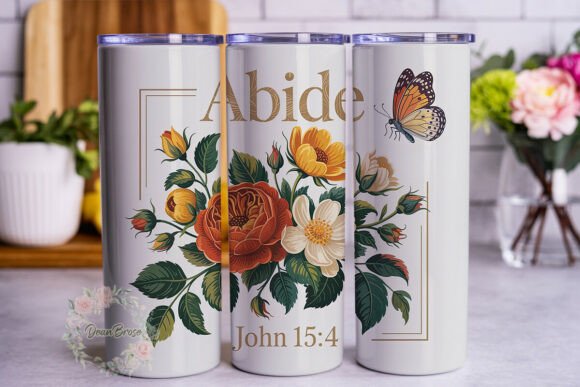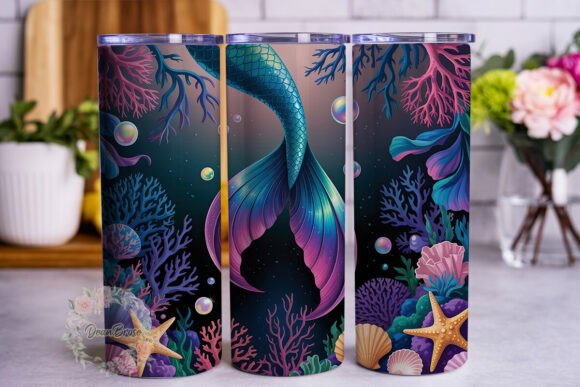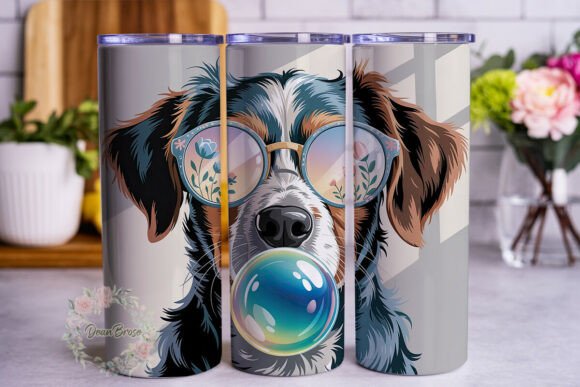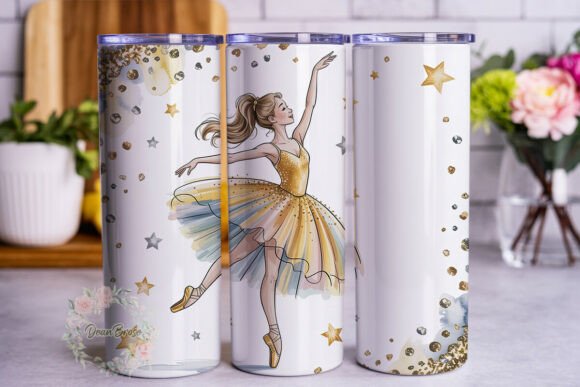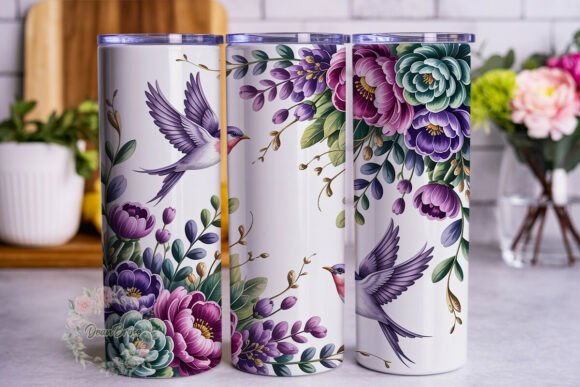
Purple Botanical Bird 20oz Tumbler Wrap Review
As a designer who spends more time staring at stitch maps than most people spend on their phones, I approach every new digital embroidery file with a mix of excitement and skepticism. We've all been there: you buy a design based on a flashy thumbnail, only to find out the stitch density is a nightmare on pique fabric or the details vanish entirely once the needle hits the thread. Today, I'm taking a close look at the Purple Botanical Bird 20oz Tumbler Wrap. While the title suggests it's strictly for sublimation or vinyl wraps on drinkware, my job is to translate these graphics into tangible, stitched realities for clients who want something unique.
First Impressions: Mood and Visual Personality
When I first opened the high-resolution PNGs included in this package, the immediate vibe was one of serene elegance. The "Purple Botanical" theme isn't just a random splash of color; it suggests a specific aesthetic that fits perfectly with the current trend toward cottagecore and nature-inspired handmade products. The layout features a bird nestled among foliage, which creates a natural focal point. For an embroidery project, this composition is promising because it offers a clear center of interest surrounded by organic shapes that are forgiving if the fabric shifts slightly.
The dimensions provided—9.3″ x 8.2″—are substantial. In the world of Tumbler Wraps, this covers the entire surface of a standard 20oz straight or tapered tumbler. However, for us stitchers, this size translates to a large-scale motif. It's not a tiny logo for a left chest; it's a statement piece. The visual personality here is soft yet detailed, relying on the interplay between the bird's form and the surrounding botanical elements. This kind of imagery works exceptionally well when translated into satin stitch borders and soft fill stitch interiors, provided the original graphic has enough contrast to guide our digitizing or manual punch decisions.
Real-World Application: Beyond the Tumbler
Let's get practical. You might be wondering why an embroidery expert is reviewing a file labeled as a tumbler wrap. The answer lies in versatility. I recently had a client request a coordinated set for a boutique baby shower: a personalized blanket, a tote bag for gifts, and a wall hanging for the nursery. The Purple Botanical Bird 20oz Tumbler Wrap served as the perfect inspiration source. Because the files are high resolution (300 DPI) and watermark-free, they act as excellent reference images for creating custom machine embroidery designs.
Imagine adapting this motif for a sweatshirt embroidery project. The botanical elements can be simplified into running stitches for a sketch-like effect on heather grey fleece, while the bird itself could be rendered in rich purple and teal threads to pop against the fabric. For a tote bag design, the larger scale allows for intricate detailing that wouldn't get lost on canvas. Even for holiday embroidery gifts, this design carries a timeless quality that doesn't scream "seasonal," making it a safe bet for year-round sales on platforms like Etsy.
If you are an Etsy seller or run a small shop product line, consistency is key. Using a cohesive graphic like this across different mediums—from printed labels to embroidered patches—builds brand recognition. The "Purple Botanical" theme is versatile enough to appeal to various demographics, from new moms looking for baby embroidery to adults seeking sophisticated custom apparel.
Technical Considerations and Fabric Challenges
Here is where experience matters. Translating a graphic intended for printing into a stitched finished product requires careful planning. The original files are PNGs, meaning they are raster images, not vector-based embroidery files. You cannot load these directly into your machine. You must use them as a template to digitize or trace within your embroidery software.
When working with a design this detailed, stitch density becomes a critical factor. If you attempt to stitch every leaf and feather exactly as seen in the graphic, you risk creating a stiff, cardboard-like patch that won't drape well on a garment. My advice? Simplify. Use the graphic as a guide but reduce the number of color changes and consolidate small areas into single blocks of color. This ensures the embroidery project remains durable and washable.
Fabric choice is equally important. On textured fabrics like terry cloth towels or thick denim, fine details in the botanical leaves might get swallowed up. In these cases, I recommend using a heavier weight stabilizer and perhaps opting for a slightly larger hoop size to allow for broader stitching techniques. Conversely, on thin or stretchy fabrics like jersey knits, you must be wary of pull and distortion. The curved nature of the bird's wing or the tips of the leaves could cause puckering if the tension isn't perfectly calibrated.
Also, consider the background. The original graphic likely assumes a white or light background. If you are stitching this onto a dark navy sweatshirt, you will need to account for underlay stitches or even create a backing patch to ensure the purple hues don't look muddy. Testing the design on scrap fabric of the same weight and texture as your final material is non-negotiable. Don't skip this step, especially if you are producing items for commercial sale.
Maximizing Value and Customer Trust
In the eyes of a customer, the difference between a amateurish stitch-out and a professional handmade product often comes down to clarity and finish. A design like the Purple Botanical Bird 20oz Tumbler Wrap, when executed correctly, elevates the perceived value of the item. It signals that thought went into the selection of the motif. For personalized gifts, this attention to detail fosters trust. Customers are willing to pay a premium for items that look polished and intentional.
For those creating printable mockups or digital product previews, having access to clean, high-res graphics without watermarks is a huge time-saver. It allows you to visualize the final product before committing to thread and fabric. This reduces waste and helps you present a more professional portfolio to potential buyers. Whether you are selling the physical embroidered item or using the graphic as a design asset for other creators, the quality of the source image dictates the quality of the outcome.
Designer Notes for Success
Before you dive into your next project with this design, keep these practical tips in mind:
- Check Licensing: Always verify the license terms. Just because you bought the graphic doesn't automatically mean you can resell the digital file itself. Usually, you can sell the physical finished item, but confirm this before listing on marketplaces.
- Thread Contrast: Test your thread colors against your fabric. Purple can sometimes look brownish under certain lighting or on dark backgrounds. Use a color chart to ensure vibrancy.
- Digitizing Strategy: If you are converting this PNG to an embroidery file, pay attention to the direction of your satin stitches. Following the natural flow of the bird's feathers and plant stems adds a level of realism that static fills cannot achieve.
- Wash Testing: If the final product is meant to be washed frequently (like a kitchen towel or baby onesie), ensure your edges are secured with tack-down stitches or merrow borders to prevent fraying.
- Scale Appropriately: Remember that 9 inches is large for a hat but perfect for a pillow cover. Adjust the scale of your embroidery to fit the hoop size and the proportions of the garment.
In conclusion, while the Purple Botanical Bird 20oz Tumbler Wrap is marketed for drinkware, its potential in the embroidery world is significant. With the right technical approach and a keen eye for detail, it can be transformed into stunning commercial embroidery pieces that delight customers and enhance your brand's reputation. It's a reminder that in our craft, the best tools are often the ones we learn to adapt.