Review: Highland Cow Shamrock St Patrick Tumbler Design
As a designer who spends more time staring at stitch maps than most people care to admit, I approach new digital embroidery file releases with a healthy mix of excitement and skepticism. We all know the feeling: you see a cute graphic online, buy it on impulse, and then realize halfway through stitching that the density is too high for a baby onesie or the details are too fine for a textured towel. That is why I took a close look at the Highland Cow Shamrock St Patrick Tumbler design before committing it to a real-world embroidery project. While the product listing categorizes this under Tumbler Wraps and Graphics, my job is to translate those visual assets into thread and fabric reality.
First Impressions: Mood and Visual Personality
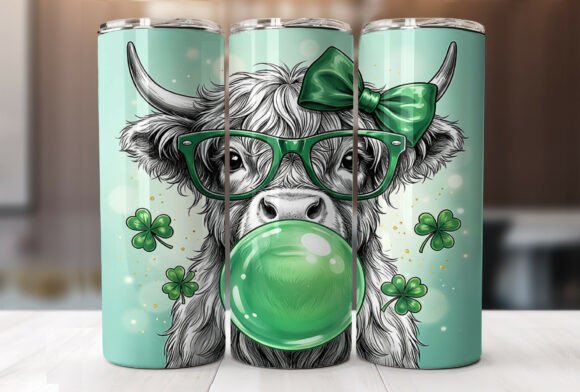
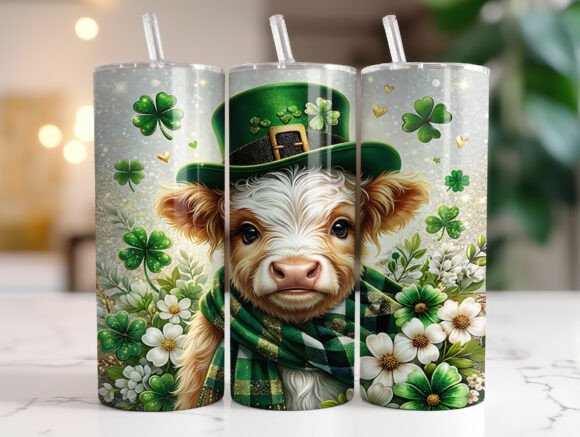
The first thing that strikes me about the Highland Cow Shamrock St Patrick Tumbler is its charming duality. It manages to blend the rugged, shaggy aesthetic of the Highland cow with the whimsical, lucky vibe of St. Patrick's Day without feeling cluttered. The composition feels balanced, with the cow's distinctive long hair providing natural opportunities for varied stitch density. In a digital format, specifically the high-resolution 300 DPI PNG provided in this instant download, the lines are crisp. However, as an embroiderer, I immediately start mentally converting those pixels into satin stitch borders and fill stitch bodies.
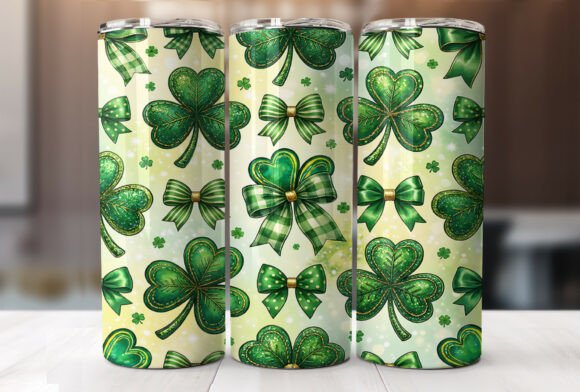
The mood is undeniably festive yet rustic. It avoids the neon-bright, cartoonish overload that plagues many holiday designs, opting instead for a look that feels at home in a boutique setting. This visual personality suggests it would work beautifully not just on tumblers via sublimation (as the original graphics imply), but also as a standout feature on custom apparel. The layout is compact enough to fit standard hoops but detailed enough to hold interest up close.
Real-World Application: From Screen to Stitch
To truly test the viability of this design, I imagined a specific scenario: a small shop owner preparing for the March rush. Let's say you are an Etsy seller looking to expand beyond digital prints into tangible handmade products. You decide to create a limited run of embroidered tote bags featuring the Highland Cow Shamrock St Patrick Tumbler motif.
In this context, the design shines. The organic shapes of the cow's fur allow for creative thread blending. You could use variegated greens for the shamrock to add depth, while the cow itself could be stitched in warm browns or greys using a slightly longer running stitch or textured fill to mimic hair. For a sweatshirt embroidery project, this design offers excellent coverage without becoming a stiff cardboard patch, provided the digitization (if you are converting the PNG yourself) respects the fabric's stretch.
Consider also the potential for baby embroidery. A soft, pastel version of this design on a bib or a nursery pillow cover would be incredibly marketable. The "cute factor" is high, which drives engagement for personalized gifts. However, because the source file is a graphic (PNG), you must ensure that if you are outsourcing the digitizing or doing it yourself, the stitch density is reduced for delicate fabrics like cotton jersey. A dense fill on a baby item is a recipe for discomfort and puckering.
Technical Considerations and Fabric Compatibility
Here is where we need to be realistic. The Highland Cow Shamrock St Patrick Tumbler is sold as a printable graphic, meaning it is not a pre-digitized machine embroidery design file like PES or DST. This is a crucial distinction. If you intend to stitch this, you are likely using it as a reference for manual digitizing or printing it as a transfer for hand embroidery or appliqué.
If you are creating an applique design based on this graphic, the process changes. You would cut the fabric shapes for the cow and shamrock and use the graphic as a guide for placement. This is actually a fantastic route for this specific image. Appliqué handles the "shaggy" look of the Highland cow wonderfully well, using frayed edges or zigzag stitches to simulate fur texture without thousands of stitches. This approach works exceptionally well on textured fabrics like linen tea towels or canvas tote bag design projects where a heavy fill stitch might sink in or look uneven.
Caution is advised when working on dark fabric. The original graphic likely relies on light backgrounds for contrast. If stitching on navy or black, you will need to plan your thread colors carefully. A white or cream underlay might be necessary to make the green shamrock pop. Similarly, on stretchy fabric, ensure your stabilizer game is strong. A design with distinct corners, like the tips of the shamrock, can pull and distort if the material isn't properly supported during stitching.
Navigating Curved Surfaces and Small Details
While the product title mentions "Tumbler," applying this to actual embroidery on curved surfaces like caps requires strategic thinking. The width of the design (9.3 inches in the graphic form) is quite large for a standard cap front. You would need to scale it down significantly. When scaling down, watch out for the tiny details in the cow's eyes or the shamrock's veins. These areas can easily become a muddy mess of thread if the hoop size forces the design to be too small. Always test a scaled-down version on scrap fabric first to ensure clarity is maintained.
Business Value and Brand Consistency
For creative entrepreneurs and craft business owners, the value of a design lies in its versatility and the quality of the finished product. The Highland Cow Shamrock St Patrick Tumbler graphic offers a strong foundation for building a cohesive spring collection. Using this motif across different items—aprons, kitchen towels, and patches—creates brand recognition. Customers appreciate seeing a consistent theme executed with high-quality materials.
Furthermore, the "instant download" nature of these design assets allows for rapid prototyping. You can create printable mockups quickly to gauge customer interest before committing to production. This reduces waste and helps you tailor your inventory to what actually sells. Whether you are selling the physical embroidered patch or the finished garment, the professional look of the source graphic translates into perceived value for the buyer.
Final Designer Notes and Best Practices
Before you launch into production with the Highland Cow Shamrock St Patrick Tumbler, here are a few practical steps to ensure success:
- Verify Licensing: Since this is a digital graphic, confirm the license terms regarding commercial use. Can you sell items made with this image? Can you resell the digitized file? Always check the specific terms provided by the seller.
- Test on Scraps: Never skip the test stitch. Try your digitized version or appliqué method on the exact fabric you plan to use for the final product.
- Check Contrast: View your design in black and white. If the details disappear in grayscale, your thread color contrast might be too low for the final eye to distinguish.
- Stabilizer Selection: Match your stabilizer to the fabric weight. Heavy designs need firm support; light fabrics need tear-away or cut-away options that won't add bulk.
- Digitizing Strategy: If converting this PNG to a stitch file, pay attention to the direction of the fur stitches. Following the natural flow of the hair adds a level of professionalism that generic fills lack.
In conclusion, the Highland Cow Shamrock St Patrick Tumbler is a versatile and engaging graphic that holds significant potential for the embroidery community. While it arrives as a print-ready file, its clean lines and thematic appeal make it an excellent candidate for conversion into high-quality commercial embroidery projects. With careful planning regarding fabric choice, stitch technique, and scaling, this design can elevate your small shop product lineup and delight customers looking for unique, handmade holiday treasures.