Review: Shamrock St Patricks Day Tumbler Wrap for Embroidery
As a designer who spends more time staring at stitch simulations than actual sunlight, I approach every new digital embroidery file with a mix of curiosity and skepticism. When I first pulled up the Shamrock St Patricks Day Tumbler Wrap, my initial reaction was to pause. The title suggests a sublimation or print product—specifically a Tumbler Wrap intended for 20oz tumblers—and the specs confirm it is a high-resolution PNG graphic. However, in our world of craft business and handmade goods, lines often blur. We are constantly asked to adapt graphics for stitching, turning flat images into textured handmade products. So, I decided to evaluate this asset not just as a printable, but through the lens of an experienced embroiderer looking to create a unique holiday embroidery piece for a client.
Visual Personality and Design Layout
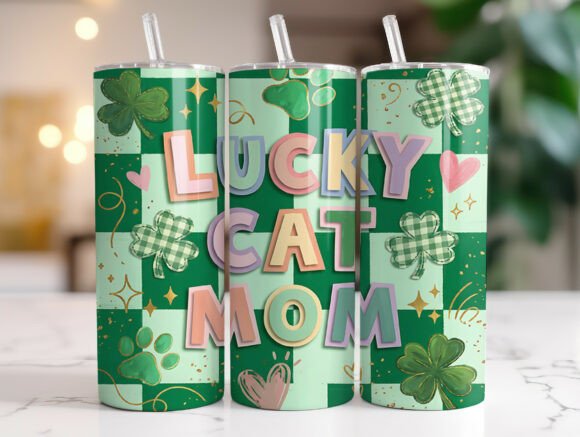
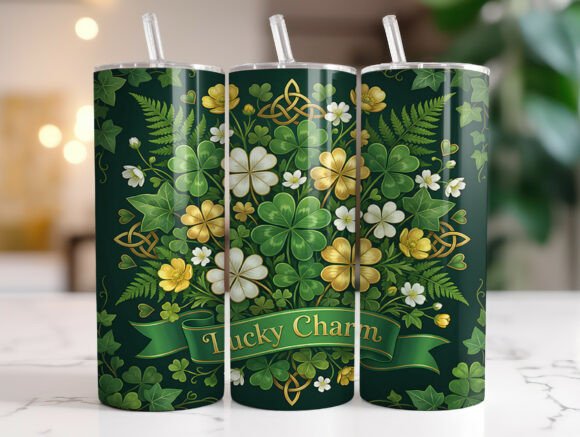
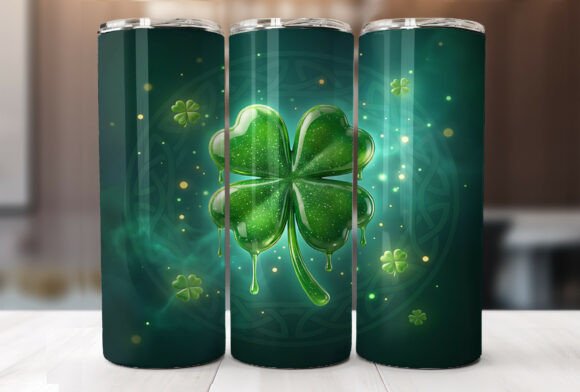
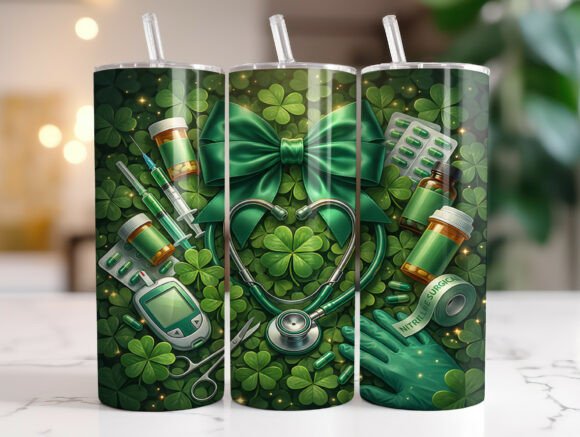
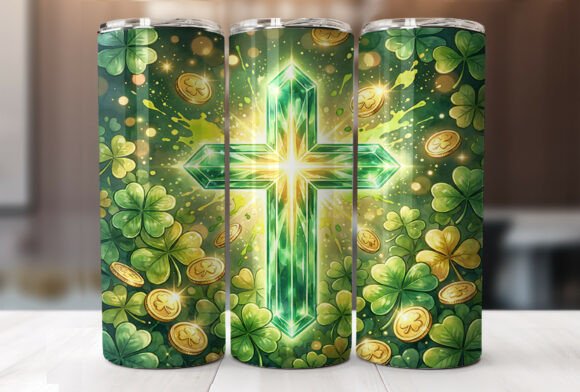
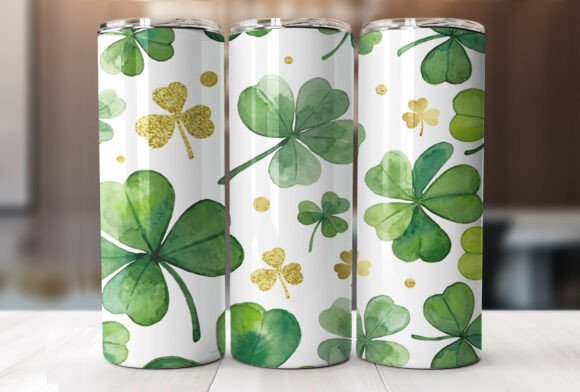
The first thing that strikes you about the Shamrock St Patricks Day Tumbler Wrap is its bold, celebratory mood. The layout is designed to wrap around a curved surface, which immediately presents a challenge and an opportunity for embroidery adaptation. The imagery features classic St. Patrick's Day motifs, likely centered around shamrocks, with a composition that spans 9.3 by 8.2 inches at 300 DPI. For a printer, this resolution is crisp. For an embroiderer, this visual density translates to potential complexity.
The design personality feels festive and traditional, perfect for March merchandise. If you were to digitize this graphic into a machine embroidery design, the large scale suggests it would work best as a statement piece rather than a subtle accent. The "Straight" and "Tapered" versions included in the download indicate a thoughtful approach to curvature, something we often have to manually compensate for when hooping curved items like caps or sleeves. While this is technically a graphic, the strong outlines and distinct color blocks suggest it could be successfully interpreted as an applique design or a dense fill stitch project if converted properly.
Real-World Application: The Boutique Sweatshirt Scenario
Let's ground this in a real scenario. Imagine a local boutique owner approaches you with a rush order for a limited-run St. Patrick's Day collection. They want something that stands out from the typical sea of green t-shirts found in big-box stores. They provide the Shamrock St Patricks Day Tumbler Wrap as their inspiration image. Your job is to translate this Graphics file into a tangible finished product.
In this context, the design shines as a candidate for a back-panel sweatshirt embroidery project. Because the original graphic is sized for a 20oz tumbler, it has the vertical real estate needed to cover the back of a hoodie or a heavy cotton tote. By converting the PNG into a stitch file, you can utilize satin stitch for the outlines of the shamrocks to give them a premium, raised look, while using fill stitch for the larger green areas. This adaptation turns a simple printable into a high-value custom apparel item.
Alternatively, consider a tote bag design for a craft fair. The rectangular nature of the wrap fits perfectly on a canvas bag. Here, the "tapered" version of the graphic might be less relevant, but the straight version offers a balanced composition. Customers at a spring market are drawn to texture; a flat print is nice, but an embroidered shamrock invites touch. This tactile quality increases the perceived value of your small shop product significantly.
Technical Considerations for Stitching
Before you commit to stitching this design onto a customer's garment, there are critical technical factors to address. Since the source file is a PNG and not a native embroidery format, you cannot simply load it into your machine. You must digitize it or hire a digitizer. This is where the stitch density becomes crucial. The original graphic is 300 DPI, which is incredibly detailed for print but can be disastrous for thread if not simplified.
If you attempt to replicate every pixel with thread, you will end up with a stiff, puckered mess. A professional approach involves simplifying the details. Focus on the main shapes of the shamrocks and any prominent text. Use running stitch for fine details only if the fabric supports it, but generally, broader strokes work better for holiday themes meant to be viewed from a distance. You must also consider the hoop size. At nearly 9 inches wide, this design requires a large hoop, possibly a 10x10 or even a jumbo hoop depending on your machine's capabilities. Always test the design on scrap fabric first to ensure your machine can handle the span without flagging or distortion.
Fabric choice is another make-or-break element. This design, with its likely heavy coverage, demands a stable base. Avoid stretchy knits unless you use a very robust stabilizer. A cut-away stabilizer is highly recommended for garments that will be washed frequently, ensuring the embroidery project maintains its shape over time. If you are working on a textured fabric like a waffle knit or a fuzzy fleece, be aware that fine details may get lost. In such cases, increasing the stitch length or opting for an appliqué method where fabric pieces are sewn down can preserve the clarity of the shamrock shapes.
Color Contrast and Visual Appeal
The success of this design in an embroidered format hinges on thread colors. The original graphic likely utilizes vibrant greens, golds, and perhaps whites or blacks. When translating this to thread, do not rely solely on the screen colors. Thread reflects light differently than ink. Test your color palette against both light and dark fabric backgrounds. A dark green thread on a black sweatshirt might look muddy; instead, consider using a lighter lime green or adding a metallic gold thread to create contrast and pop.
Visual appeal is also tied to cleanliness. Dense stitch areas can trap lint or show needle holes if you need to re-stitch. Ensure your digitizing software creates clean trim points and minimizes jumps. A clean backside of the embroidery is just as important as the front, especially for baby embroidery or items where the inside might be visible, like an unlined tote or a scarf.
Commercial Viability and Brand Consistency
For Etsy sellers and creative entrepreneurs, consistency is key to building trust. If you decide to offer this as part of a seasonal collection, ensure the quality matches your brand standards. A poorly digitized version of the Shamrock St Patricks Day Tumbler Wrap can damage your reputation faster than a late shipment. High-quality stitching signals professionalism and care, encouraging repeat buyers and positive reviews.
Furthermore, consider the licensing implications. The product description states this is a digital file for printing. Before selling finished embroidered items based on this graphic, you must verify the license terms. Some creators allow personal use only, while others permit commercial sales of physical goods. Never assume a printable mockup or graphic includes rights for commercial embroidery. Clear communication with the original designer or a thorough review of the terms of service is essential to protect your craft business.
Final Verdict for Makers
The Shamrock St Patricks Day Tumbler Wrap is a versatile asset that, with the right technical approach, can transcend its original purpose as a tumbler graphic. It offers a strong foundation for creating standout personalized gifts, boutique apparel, and festive home decor. Whether you are crafting an embroidered patch for a jacket, decorating a pillow cover for holiday staging, or launching a limited-edition clothing line, this design holds potential.
However, it demands respect for the medium. Do not treat it as a plug-and-play embroidery file. Treat it as raw material that requires skilled interpretation. Check the details, respect the fabric limitations, and prioritize stitch quality over speed. By doing so, you transform a simple digital download into a cherished heirloom or a best-selling item in your shop. For the diligent maker willing to put in the prep work, this design is a solid contender for a successful St. Patrick's Day season.